

The Bodhi Art Summer Camp 2026 transformed the summer break into a vibrant journey of imagination, exploration, and mindful learning for the children of the IIIT Hyderabad community. Conducted, curated, and facilitated by Shajil Padiyoor, visual artist, art faculty at IIIT-H, and founder of Bodhi Art, the 20-day camp brought together a rich blend of artistic practices, creating an engaging environment where children could learn, experiment, collaborate, and express themselves freely.
The camp evolved into a nurturing creative space where art became a pathway to self-expression, cultural appreciation, curiosity, and meaningful learning. At Bodhi Art, art is viewed not merely as a skill to be taught, but as a way of understanding oneself and the world. This year’s camp emphasized mindful creativity, encouraging children to observe colours, forms, textures, movements, natural materials, and their own emotions as part of the creative process.
Through a variety of hands-on activities and artistic explorations, participants developed confidence, imagination, and a deeper connection with nature and their surroundings. Every session was thoughtfully designed to inspire curiosity, foster independent thinking, and cultivate an appreciation for creativity as a lifelong companion in learning and personal growth.
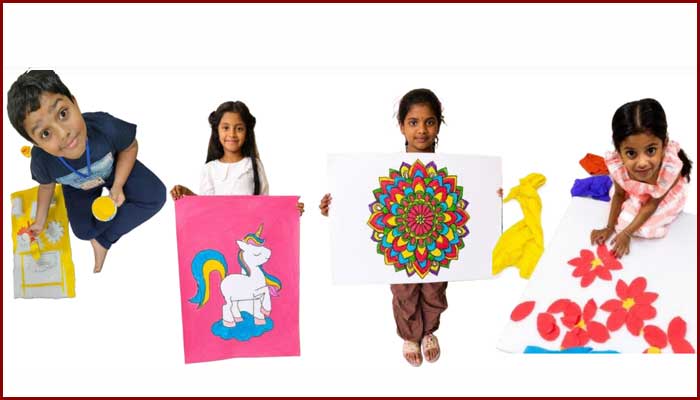
Drawing and Painting: Giving Shape to Thoughts
The camp began with drawing and painting sessions that encouraged children to transform their ideas, memories, and observations into visual stories. Rather than simply copying images, children were guided to observe shapes, colors, patterns, and emotions around them. Through drawing, they learned how lines can communicate feelings, while painting introduced them to the expressive possibilities of color. The sessions helped children strengthen observation skills, concentration, and confidence in their own creative choices.
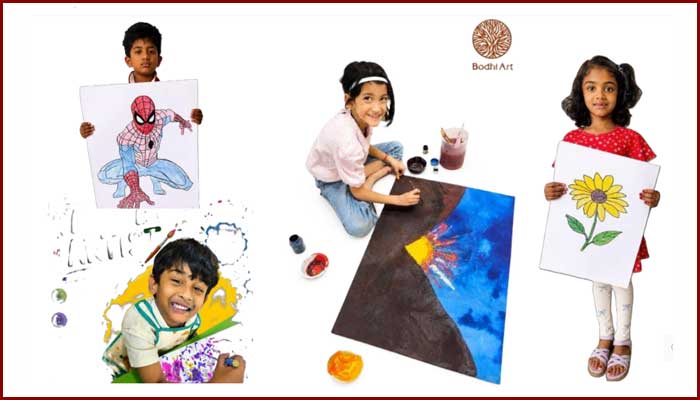
Craft Making: Discovering Possibilities in Everyday Materials
Craft activities encouraged children to see ordinary materials in extraordinary ways. Through cutting, folding, assembling, and constructing, they learned that creativity often begins with simple objects. The process developed patience, problem-solving skills, and fine motor coordination while inspiring children to think imaginatively about the things around them.
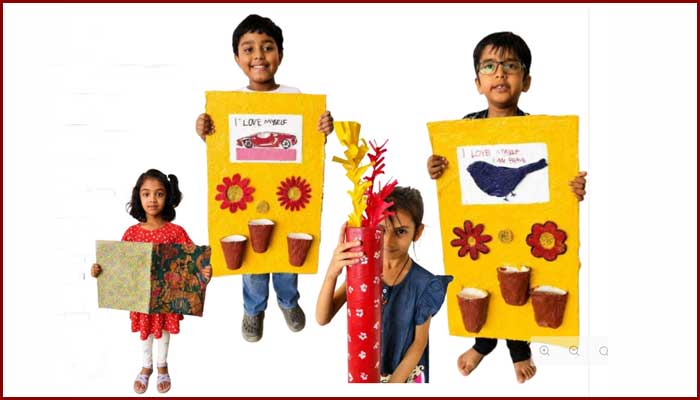
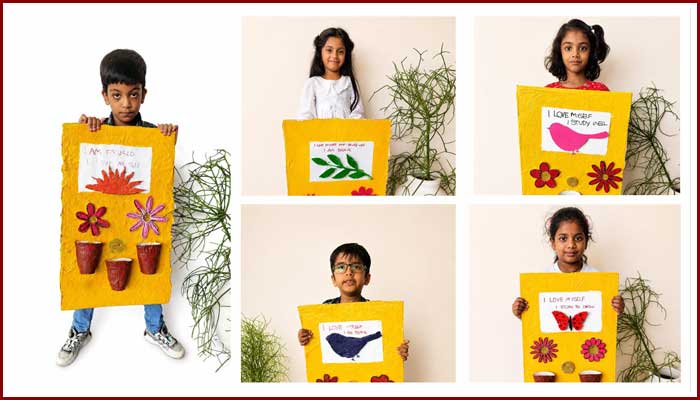
Nature Art: Creating with the Language of Nature
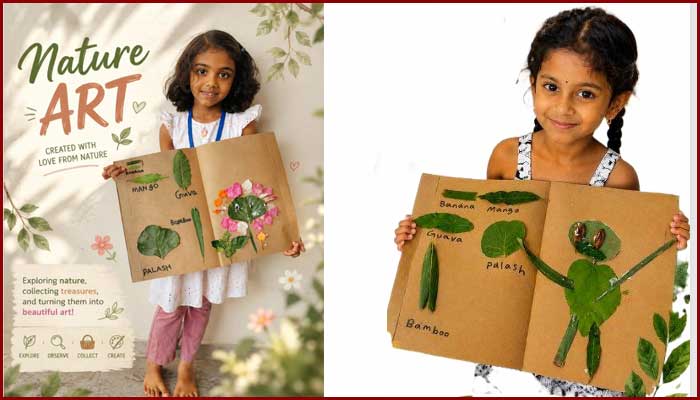
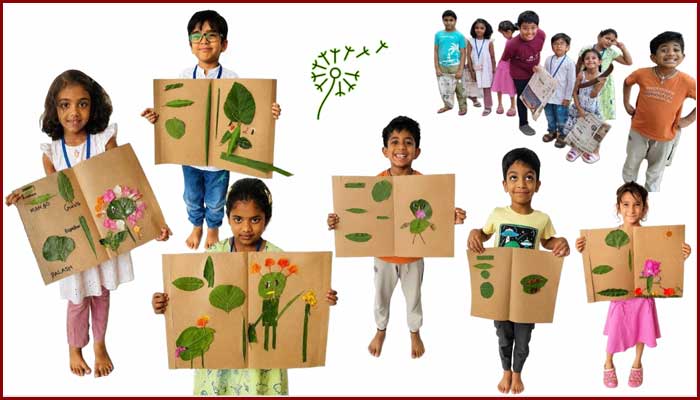
One of the most engaging experiences of the camp was Nature Art. Children explored the campus environment, collecting leaves, flowers, seeds, twigs, and natural textures. These materials were then arranged into creative compositions, patterns, and designs.
The activity encouraged children to observe nature closely and understand that art can emerge from the simplest elements around us. Through this process, they developed an appreciation for biodiversity, natural forms, and ecological awareness. Nature became both their classroom and their artistic collaborator.
Clay Modelling: Learning Through Touch
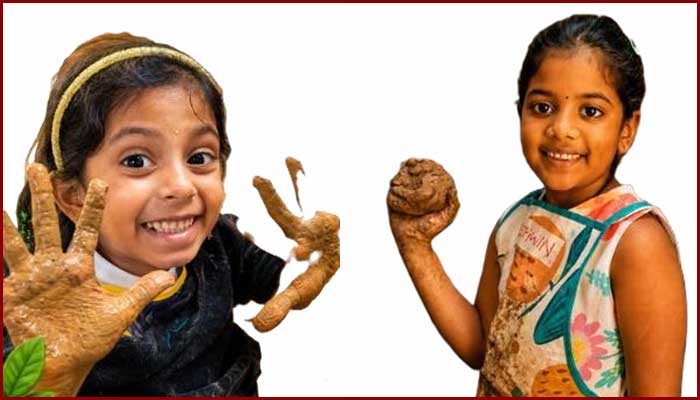
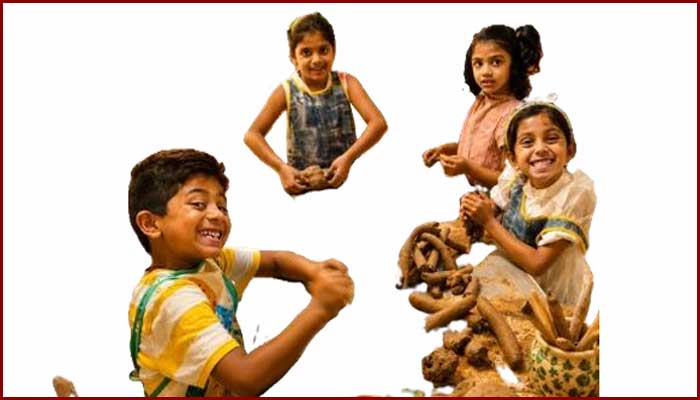
Working with clay introduced children to the world of three-dimensional art. They shaped animals, objects, vessels, and imaginative forms using their hands and simple tools. Clay became a medium through which children learned about form, volume, texture, balance, and structure. More importantly, the tactile experience of working with earth helped them slow down, focus, and engage deeply with the creative process. Many children found the clay sessions calming and joyful, experiencing the unique satisfaction of transforming a lump of clay into something meaningful.
Puppet Making: Bringing Stories to Life
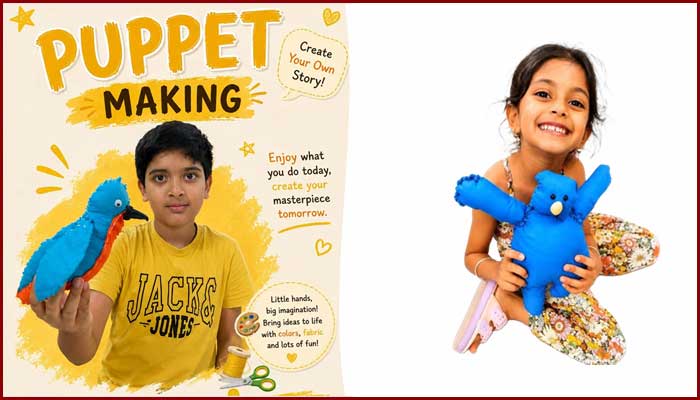
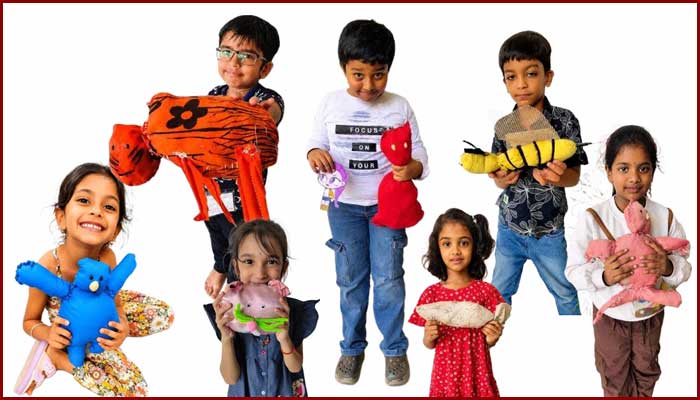
The puppet-making sessions allowed children to merge art, storytelling, and performance. Using paper, fabric, colors, and recycled materials, they designed unique characters and gave them personalities of their own.
The activity encouraged imagination, narrative thinking, and communication skills. Once the puppets were completed, children animated them through storytelling and role-play, discovering how art can become a powerful medium for sharing ideas and emotions.
Cloth Art: Exploring Creativity Through Fabric
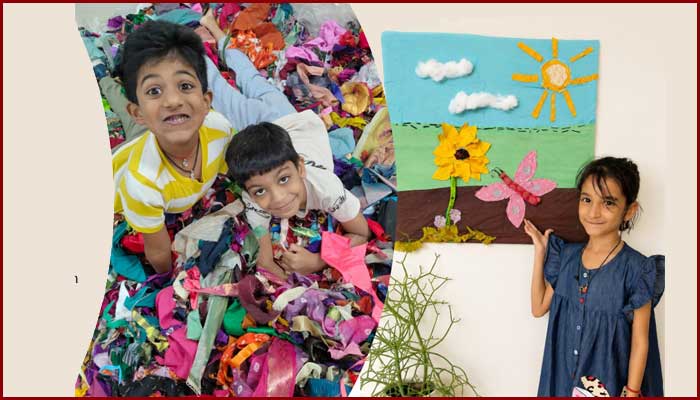
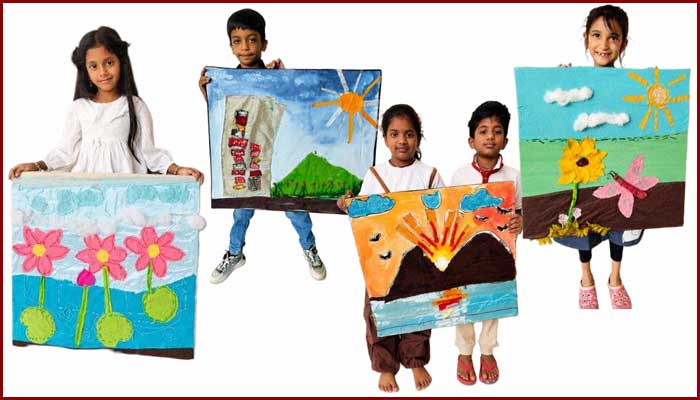
A new addition to this year’s camp was Cloth Art. Using a variety of fabrics, textures, colors, and textile materials, children experimented with creating artworks beyond paper and canvas.
This activity invited them to think differently about materials and discover how fabric can be transformed into artistic expression. Through layering, arranging, and composing with cloth, children explored texture, pattern, and design while developing a deeper sensitivity toward materials. The results were imaginative, colorful, and highly personal, revealing new dimensions of their creativity.
Movement and Art: Understanding the Body Through Stories
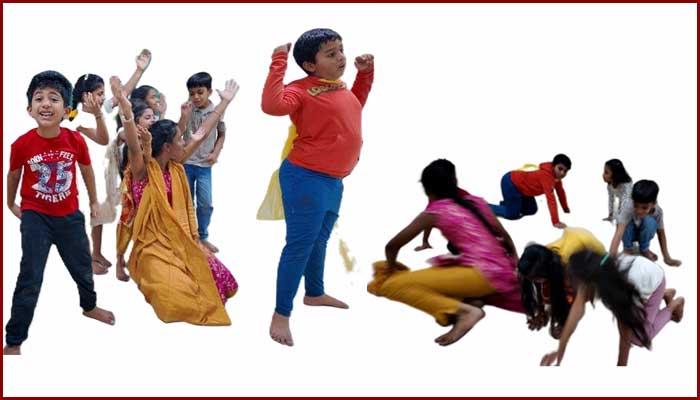
The movement sessions offered a unique approach to creativity by connecting art with the body. Instead of focusing on dance techniques, children explored movement through storytelling, imagination, and play.
They transformed themselves into trees, animals, rivers, winds, and characters from stories. Through guided movement exercises, they learned about body awareness, expression, rhythm, and communication. These sessions encouraged collaboration, confidence, and joyful interaction while helping children understand that creativity is not limited to the hands—it can also be expressed through movement and presence.
Indian Folk Art: Learning from Tradition
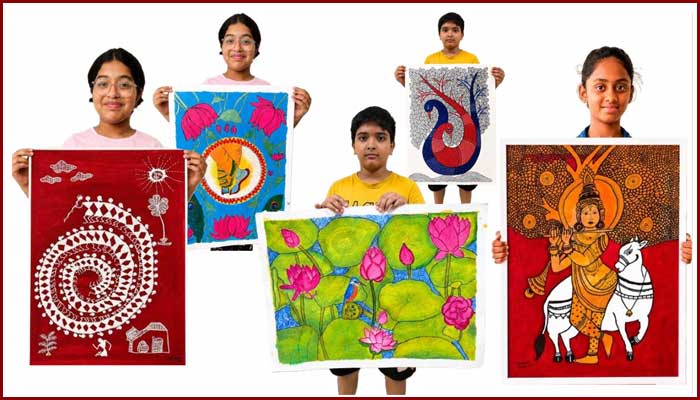
For the senior students, the camp introduced an in-depth exploration of Indian folk art traditions. Each student selected a folk art form, researched its history, visual language, cultural context, and artistic techniques.
After understanding the stories and traditions behind these art forms, students created their own paintings inspired by styles such as Madhubani, Warli, Gond, Pattachitra, and other regional traditions. This process encouraged both artistic practice and cultural appreciation, helping students recognize the richness and diversity of India’s visual heritage.
A Space for Mindful Creativity
What made the Bodhi Art Summer Camp unique was the coming together of many art forms under a single creative philosophy. Children worked with paper, paint, clay, fabric, natural materials, movement, and storytelling, learning that creativity can emerge through many different mediums.
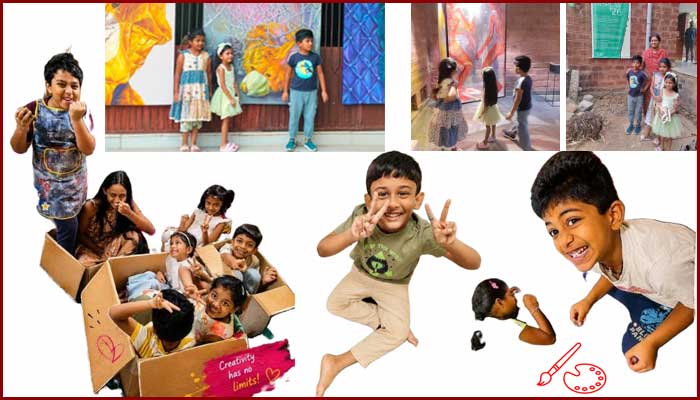
The camp encouraged them to slow down, observe carefully, make thoughtful choices, and engage with the process rather than focusing only on the final outcome. Through mindful art-making, children developed patience, concentration, imagination, and self-expression while building friendships and learning from one another.
 Conclusion
The Bodhi Art Summer Camp 2026 was more than a series of art classes; it was a journey of discovery. It provided children with a space to experiment, create, reflect, and grow. Through colors, clay, fabric, movement, nature, and stories, they learned that art is not simply something we make—it is a way of seeing, feeling, connecting, and understanding the world around us.
As the camp concluded, the children carried home not only their artworks but also new experiences, friendships, creative confidence, and a deeper appreciation for the many ways in which art can enrich everyday life.
At Bodhi Art, creativity is not taught—it is awakened.
Bodhi Art thanks the IIIT-H community and the participating families for making this camp a soulful and unforgettable experience. May this be the beginning of many more mindful, artful journeys ahead.
June 2026